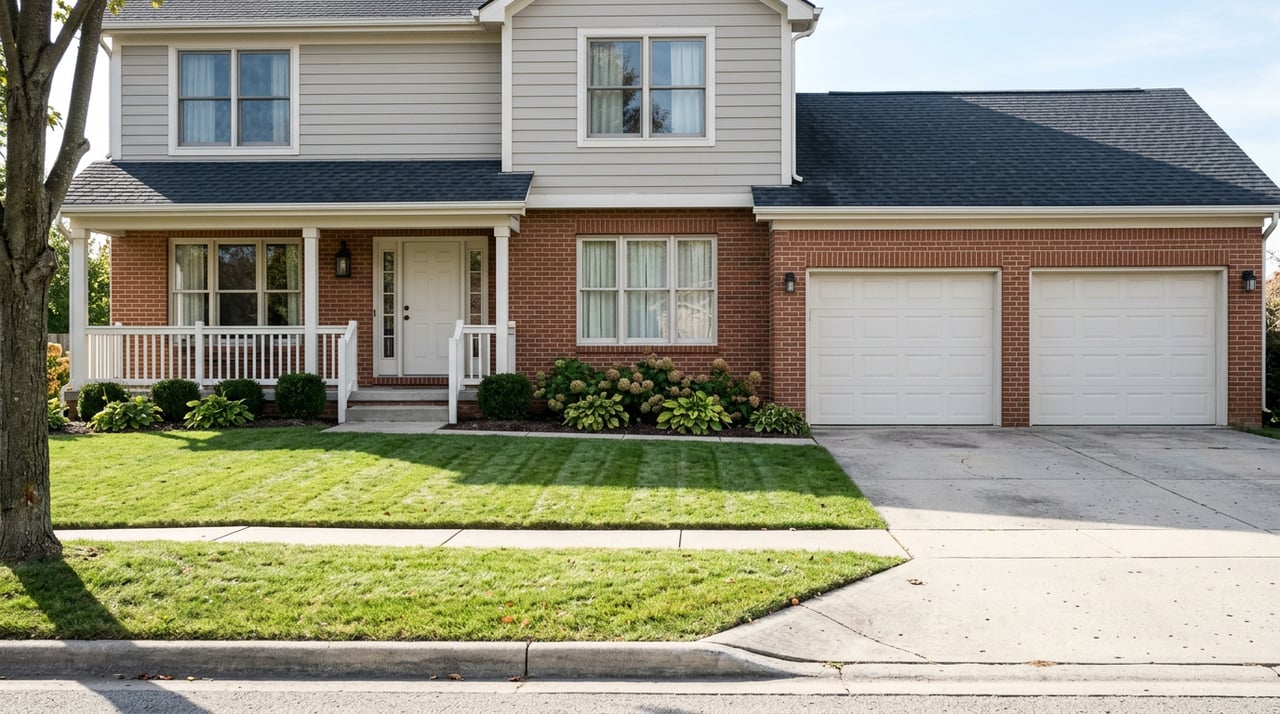
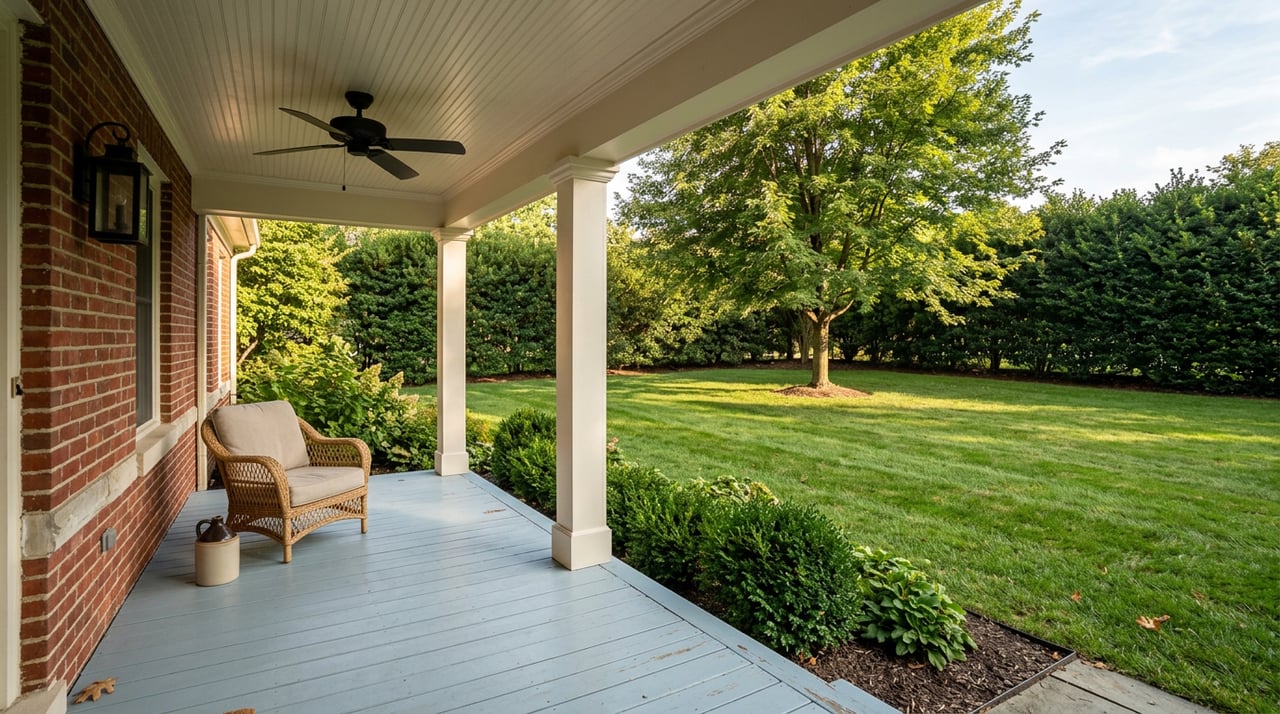
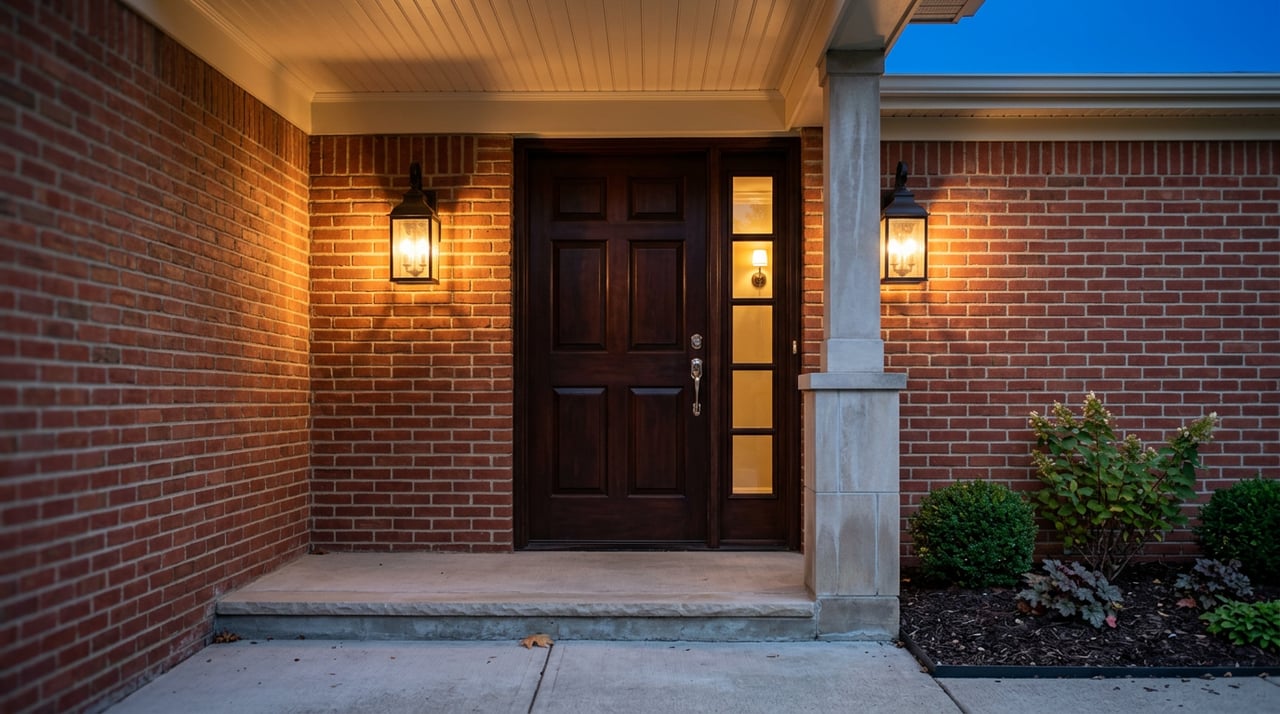
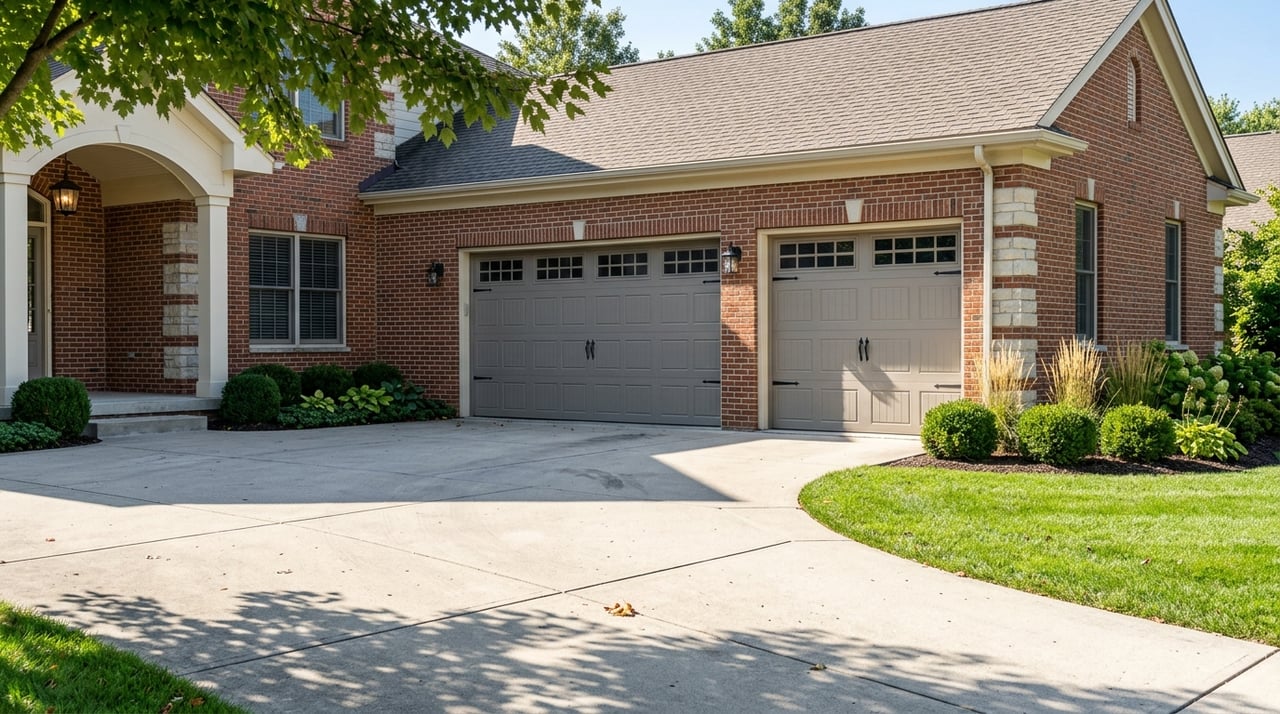
You want more space, a simpler commute, and a payment you can live with. Mars and Cranberry Township check a lot of those boxes, but starter homes in these suburbs can move fast and feel pricey. If you are buying your first home, you need clear price ranges, a true picture of monthly costs, and a plan to win when the right place hits the market. This guide gives you local numbers, financing options, and step‑by‑step moves to help you buy with confidence. Let’s dive in.
Mars vs. Cranberry: quick snapshot
Mars (16046) is a smaller, higher‑priced pocket of Butler County. Recent zipcode‑level data has shown a median sale price around the upper $500Ks, with month‑to‑month swings due to the small sample size. Inventory is tight, and lower‑priced listings can be scarce. When a well‑priced condo or small single‑family home appears, it moves.
Cranberry Township (16066) is larger with more variety. Median values typically land in the low to mid $400Ks, and you’ll see a broader mix of townhomes, older ranches, and newer subdivisions. That diversity creates more true starter options than in central Mars, though newer builds and amenity‑rich communities can push prices higher.
Important note: different data vendors use different samples, and small ZIPs like 16046 can swing a lot. For a specific street or neighborhood, rely on a local CMA rather than a single website headline.
What starter homes cost today
Mars: typical entry points
- Condos and maintenance‑free units: about $225K to $330K for many 1–2 bedroom condos in communities like Adams Pointe. HOA fees in that community often range about $190 to $350 per month, depending on unit size and amenities.
- Small single‑family homes: older 2–3 bedroom homes can appear in the high $200Ks to mid $300Ks, but availability is limited. These draw quick interest when they hit the market.
What this means for you: many first‑time buyers enter Mars through condo or townhome living and then move up later to a larger single‑family home.
Cranberry Township: typical entry points
- Townhomes and compact single‑family: roughly $275K to $425K depending on age, features, and finish level. HOA fees can run from about $25 to $250 per month, higher in amenity‑heavy communities.
- Older single‑family options: ranches and split‑levels in established neighborhoods are often the most affordable detached choices and may appear below the broader median when available.
What this means for you: Cranberry’s volume and variety improve your odds of finding either a townhome or a modest detached home within a starter budget.
Monthly costs to plan for
Property taxes
School district millage is the biggest driver of annual property tax. Recent budgets show Mars Area School District at about 110 mills and Seneca Valley School District at about 143.85 mills. Always confirm the specific parcel’s assessed value and total millage before you commit. You can review local budget reporting in the Butler Eagle coverage of recent millage actions, and check county assessment resources through Butler County’s archives.
HOA dues
Expect a real local range from about $25 to $350 per month depending on product type and amenities. Gated condo communities and projects with pools, fitness centers, and full exterior maintenance tend to sit on the higher end. Lower‑service townhome associations tend to cost less. Request the HOA budget, reserve details, and recent minutes during due diligence.
Closing costs
Plan on roughly 2 to 5 percent of the purchase price for buyer closing costs in Pennsylvania. That includes loan fees, title, appraisal, and prepaid taxes and insurance. For a simple overview, see this buyer closing cost guide.
Financing and PA assistance that help first‑time buyers
You have several good paths to lower down payments and monthly costs. Ask your lender which options you qualify for and how they combine with state assistance.
- Conventional low‑down programs: Some conventional products allow as little as 3 percent down for qualified buyers. These can be competitive in multiple‑offer settings.
- FHA loans: As little as 3.5 percent down with typical minimum credit score requirements around 580 for that down payment tier. Review FHA basics and current limits in Bankrate’s FHA overview.
- VA loans: For eligible veterans and service members, VA financing often allows no down payment and no PMI, subject to VA rules. See the VA’s quick‑reference toolkit.
- USDA loans: 100 percent financing is possible for properties in USDA‑eligible areas and for buyers who meet income limits. Check program details on the USDA’s Single Family Housing page and verify property eligibility with your lender.
PHFA programs in Pennsylvania
Pennsylvania Housing Finance Agency (PHFA) offers first mortgages and assistance that can make your first purchase more affordable. Start with the PHFA homebuyer portal.
- Keystone Home Loan and HFA Preferred: PHFA’s first mortgages pair with assistance options and often require homebuyer education. See current program details on PHFA’s home purchase programs page.
- Keystone Advantage Assistance Loan: A PHFA second mortgage for down payment and closing costs, commonly up to 4 percent of the purchase price or a set cap such as $6,000, subject to limits.
- Mortgage Credit Certificate (MCC): Converts a portion of your annual mortgage interest into a federal tax credit. This can improve monthly cash flow over the life of the loan. Review PHFA’s MCC calculator to understand potential impact.
- Local PHARE/HOME funds: Butler County and local agencies sometimes receive allocations that help with down payment or closing costs. Availability changes by year and program round, so ask early. Track statewide allocations on the PHARE funding page.
Pro tip: Many PHFA products require counseling. Completing it early keeps you ready to write offers as soon as a home you love hits the market.
How to compete without overpaying
Low inventory means speed and clarity win. Here is how you position yourself to secure the right home without taking on needless risk.
- Get a full pre‑approval, ideally with underwriting review. Sellers give more weight to buyers whose financing is already vetted.
- Be tour‑ready. Set instant MLS alerts for your price band and home type, and plan to see new listings within 24 to 48 hours when possible.
- Use earnest money to signal strength. Local norms often run about 1 to 3 percent. In competitive scenarios, some buyers show 3 to 5 percent. Keep funds refundable under standard contingencies unless you fully understand the risk.
- Keep essential protections, tighten timelines. Shorten inspection or mortgage timelines when you can do so responsibly. Align your closing date with the seller’s preferred timing.
- Consider a capped escalation clause and limited appraisal‑gap coverage. These tools can help you win in a bidding scenario without writing your best number first. Set a hard ceiling you can comfortably afford.
- Explore pre‑offer inspections only with guidance. They require seller permission and fast coordination. Use this tactic carefully.
Timeline and process expectations
Most financed purchases in Pennsylvania close in about 30 to 45 days after an accepted offer for conventional loans. FHA and VA loans can take a bit longer depending on underwriting and any additional review steps. Talk to your lender about rate locks and how your loan type affects timelines.
Commute and lifestyle context
Mars and Cranberry sit about 20 to 25 miles north of downtown Pittsburgh. Typical drive times range from roughly 25 to 40 minutes depending on traffic and route. Cranberry is a major retail and office hub with shopping and dining. Mars offers a smaller, main‑street feel with lighter commercial areas. School district assignment affects property taxes through district millage, so verify the district for any home you consider.
Step‑by‑step first‑time buyer plan
Use this simple plan to move from browsing to keys‑in‑hand.
- Meet a PHFA‑aware lender
- Ask about conventional 3 percent down, FHA, VA, or USDA eligibility, and how PHFA first mortgages, Keystone Advantage assistance, and the MCC could fit your budget. Start here: PHFA homebuyers.
- Build your budget and reserves
- Save for earnest money, down payment, and 2 to 5 percent in closing costs. Keep a small cushion for appraisal gaps or minor repairs after move‑in.
- Define must‑haves vs. nice‑to‑haves
- In Mars, be ready for condos or small single‑family homes at entry price points. In Cranberry, expect more choices among townhomes and older ranches.
- Activate fast alerts and preview tours
- Ask your agent to set MLS alerts for price band, ZIP, and property type. Plan to tour within 24 to 48 hours of new listings.
- Verify the monthly picture on each property
- Confirm estimated property taxes based on assessed value and total millage, HOA dues and scope of services, and any upcoming assessments. Use county resources like Butler County’s archives and ask for the latest HOA budget and minutes.
- Write a clean, confident offer
- Pair a competitive price with verified financing, clear timelines, and the right protections. Consider a structured escalation clause and limited appraisal‑gap coverage if competition is high.
- Close and plan move‑in
- Typical closings run about 30 to 45 days after acceptance for conventional loans. Coordinate final walkthroughs, utilities, and move logistics early.
Your next move
Buying in Mars or Cranberry is achievable with the right plan. You bring your goals and budget. I bring local data, on‑the‑ground touring speed, and calm, experienced guidance from offer through closing. If you prefer service in Spanish, con gusto, puedo ayudarte.
Ready to talk strategy and get prepped for the spring listings? Connect with Luz Campbell for a friendly, data‑driven consultation.
FAQs
Can I buy a first home in Mars around $300K?
- Possibly, but options near that price in 16046 are usually condos or smaller older homes, and they move quickly. Many buyers find more single‑family starter choices in nearby Cranberry.
How much should I budget for property taxes in these areas?
- School district millage is the largest factor. Recent budgets show Mars Area at about 110 mills and Seneca Valley at about 143.85 mills. Multiply the parcel’s assessed value by total millage and verify with county records.
What down payment help is available in Pennsylvania?
- PHFA offers first mortgages, the Keystone Advantage assistance loan, and the Mortgage Credit Certificate, plus occasional local PHARE/HOME funds. Work with a PHFA‑approved lender and counselor to confirm eligibility.
What HOA fees should I expect for a starter home?
- A practical local range is about $25 to $350 per month. Lower‑service townhome HOAs tend to be on the low end, while amenity‑rich condo communities are higher. Always review HOA financials and rules before you commit.
How long does closing usually take for a financed purchase?
- Plan for about 30 to 45 days from accepted offer to closing for many conventional loans. FHA and VA loans can take longer depending on underwriting and program requirements.